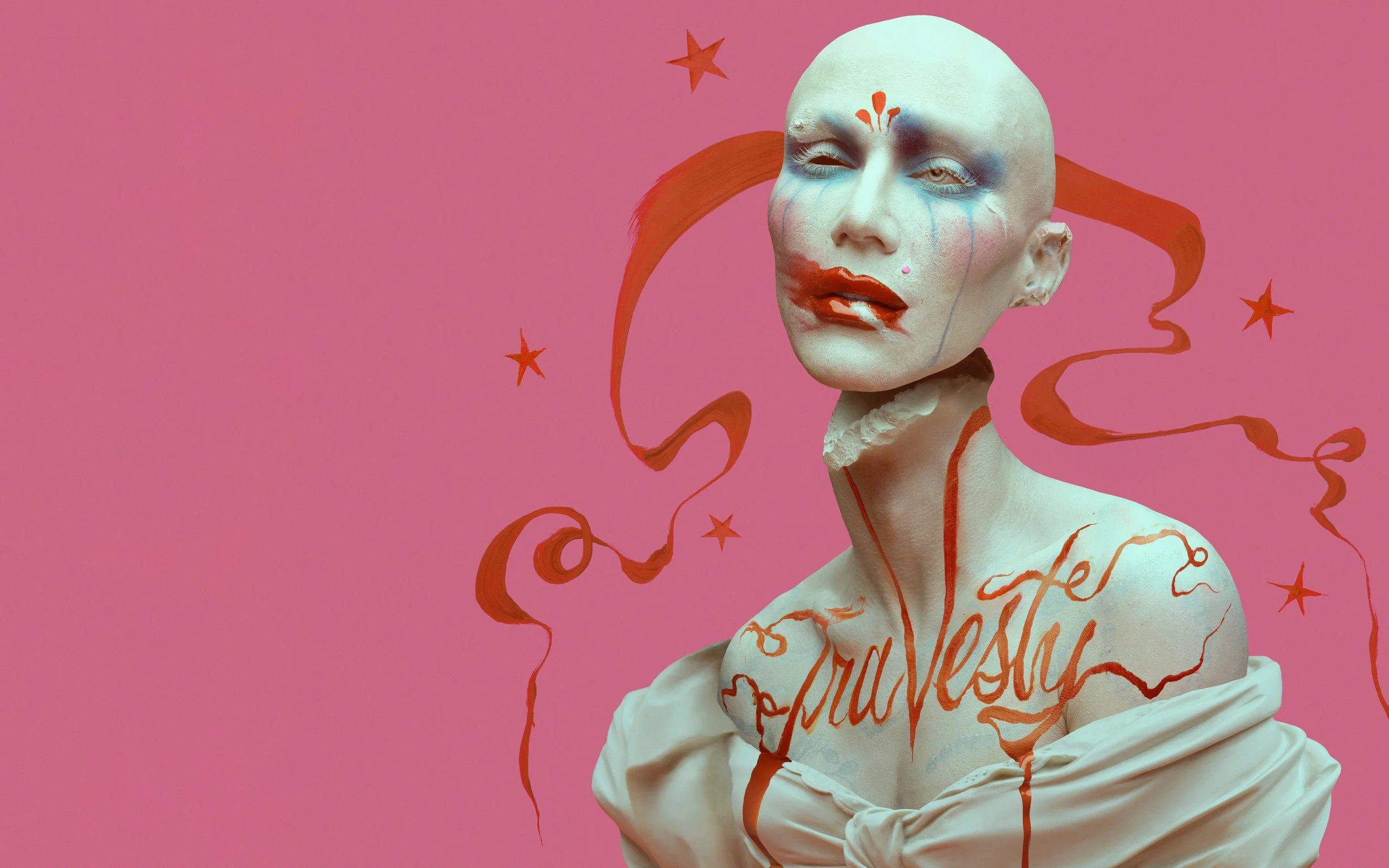


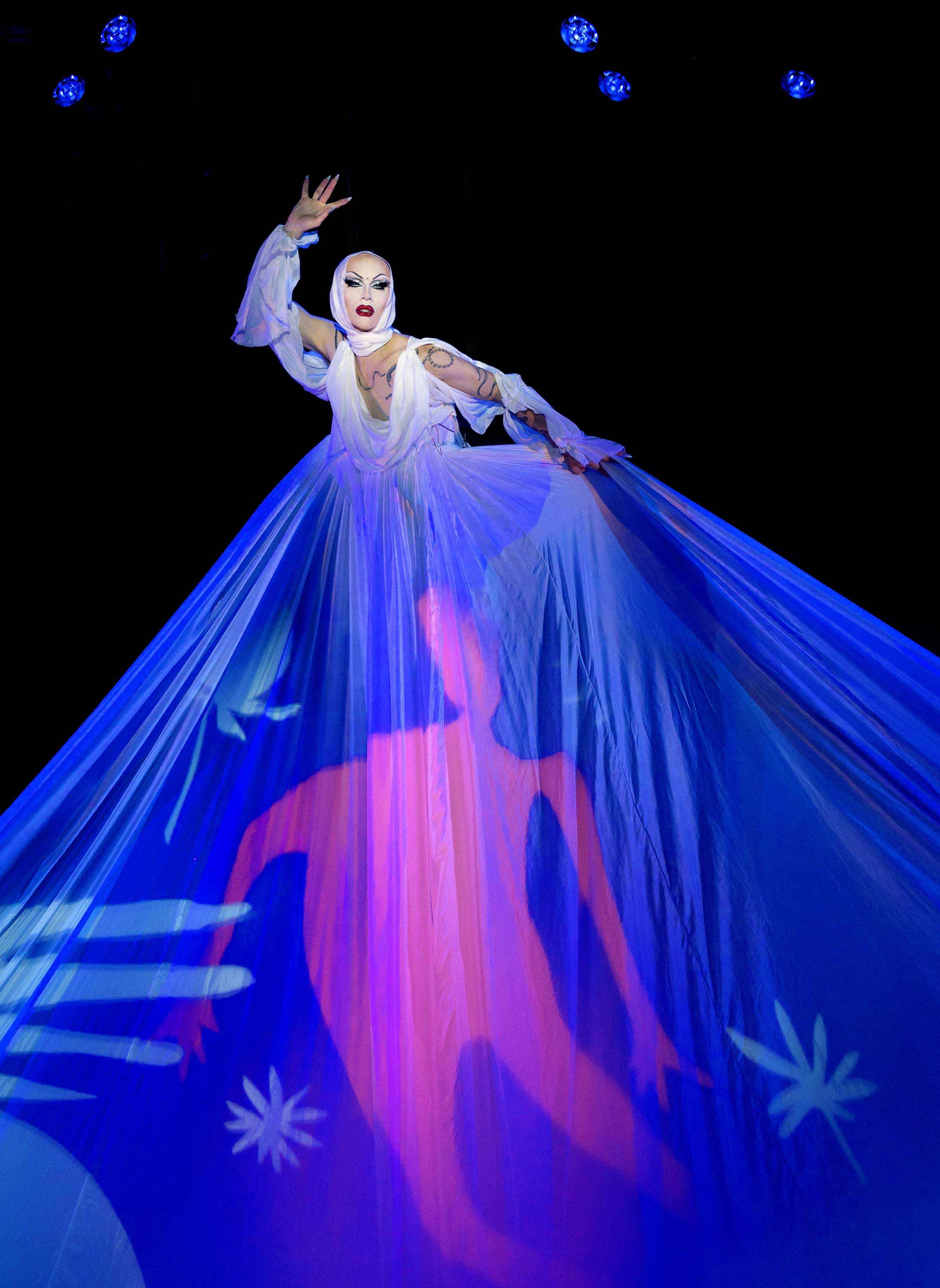
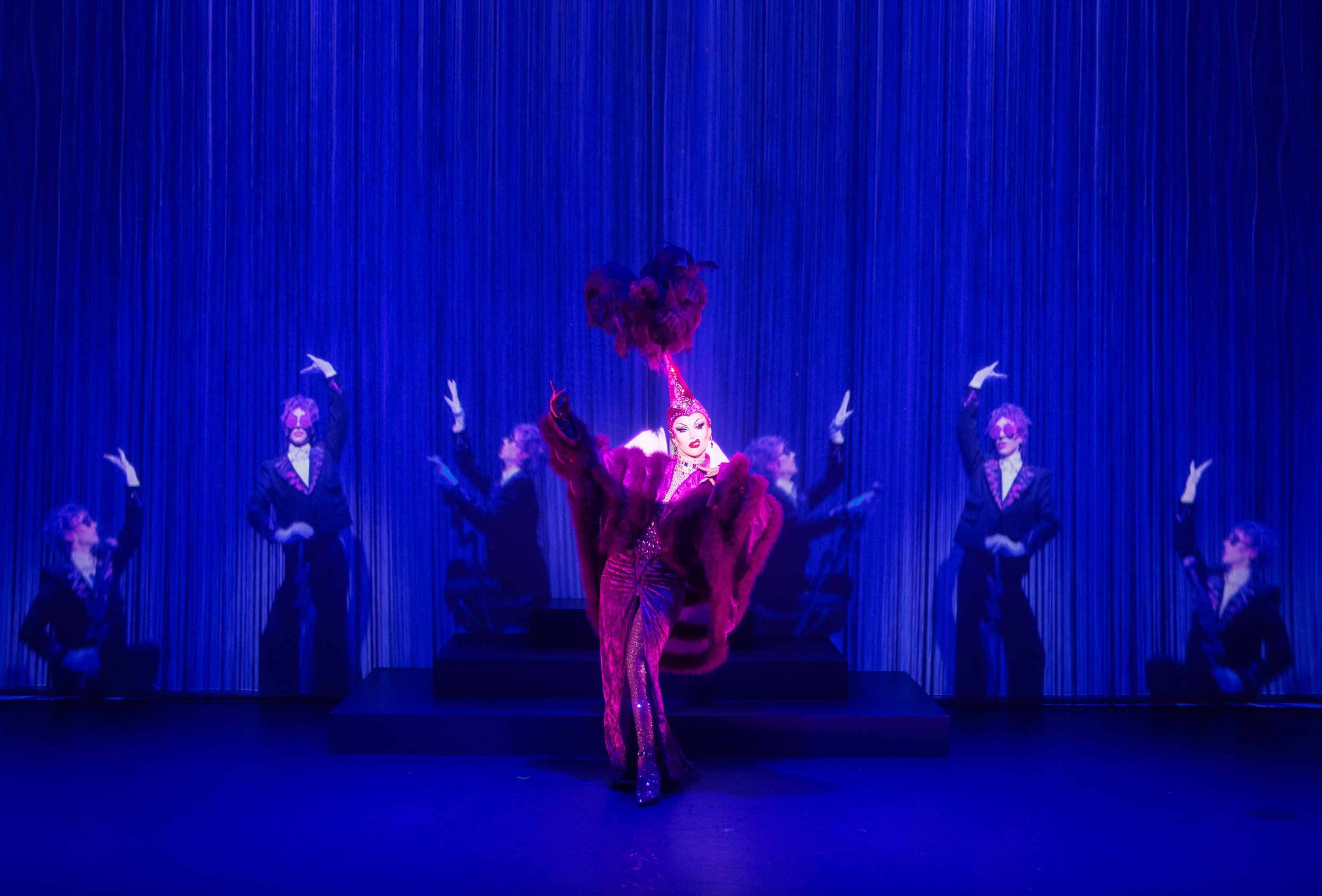
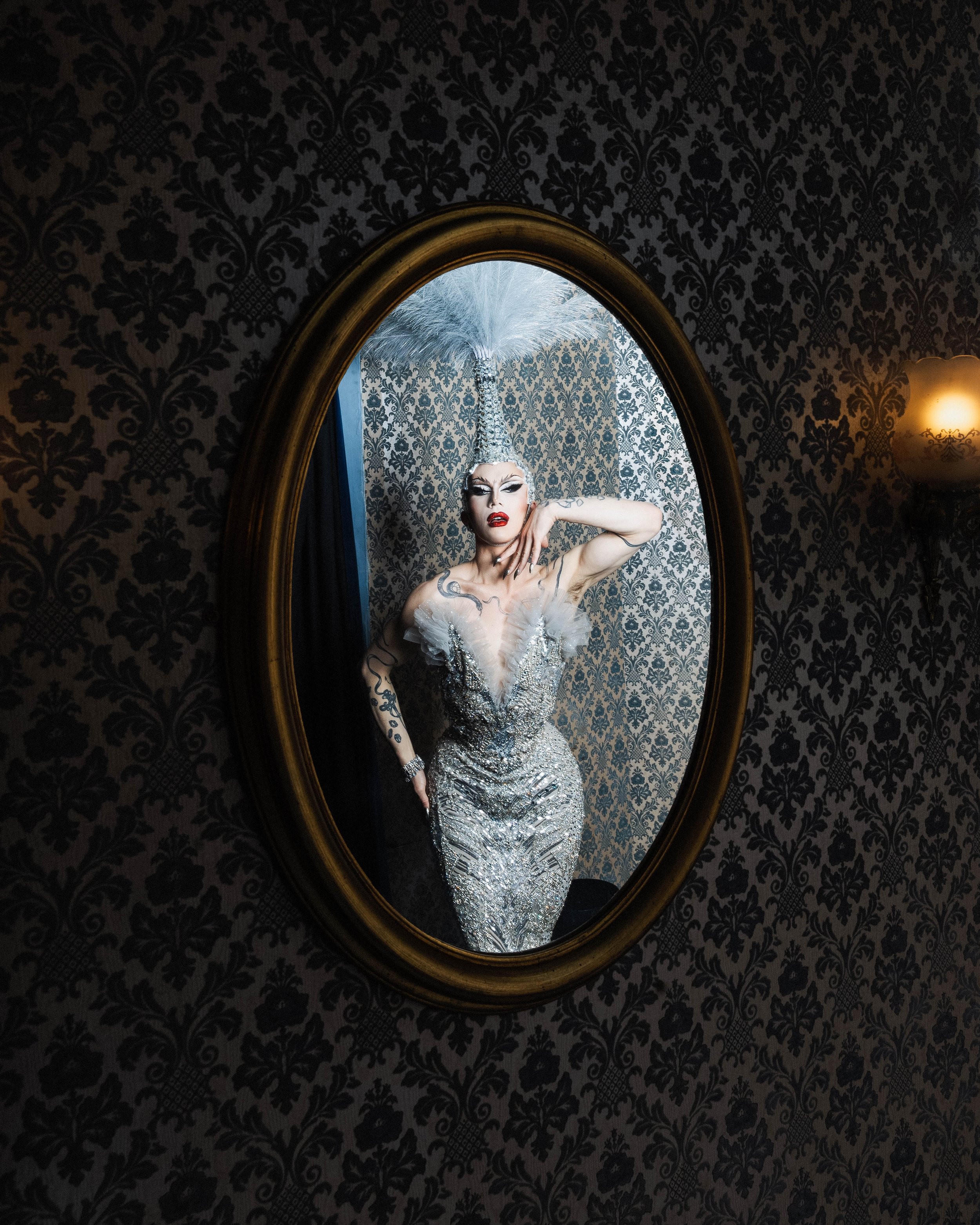
TRAVESTY follows the queer life of a single spot throughout time — A witch burns in a field; a clown balances on a high wire; an underground gay bar rises up against the police. As Velour embodies different characters through a series of jaw-dropping lip-syncs, she invites you to take part in the cycle of existence, resistance, and camp that IS drag. Part performance art, part history, part call to action, TRAVESTY will have you screaming at the top of your lungs, dancing in the aisles, and inspired to “change the muthaf*ckin’ world!”
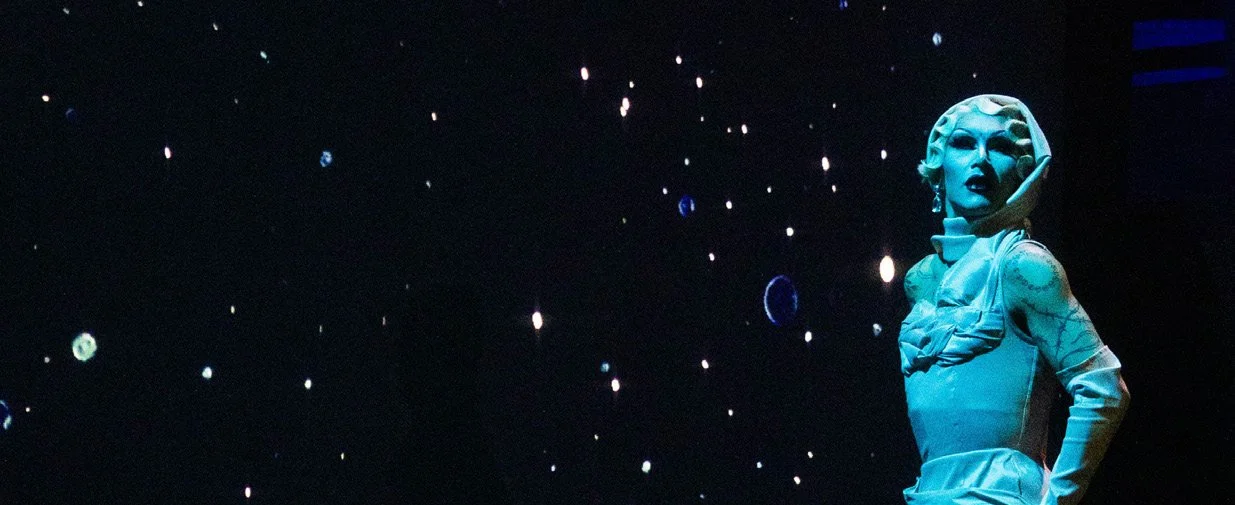
“NEGLECTED SPACE” - Imogen Heap
-Introduction
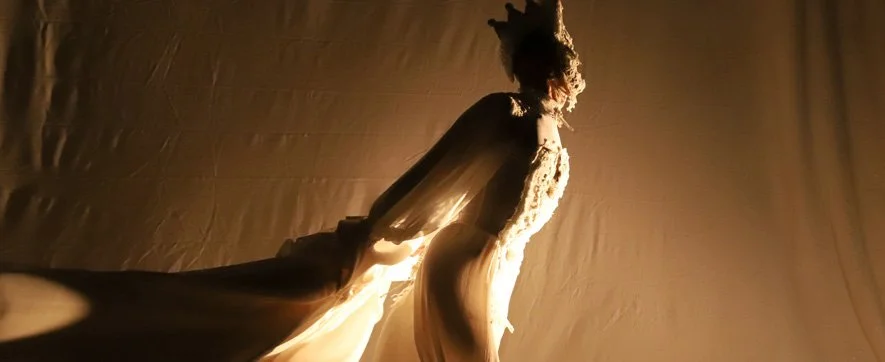
“ALL MINE” - Portishead
-Theatre in 1910
-Queer burlesque performance
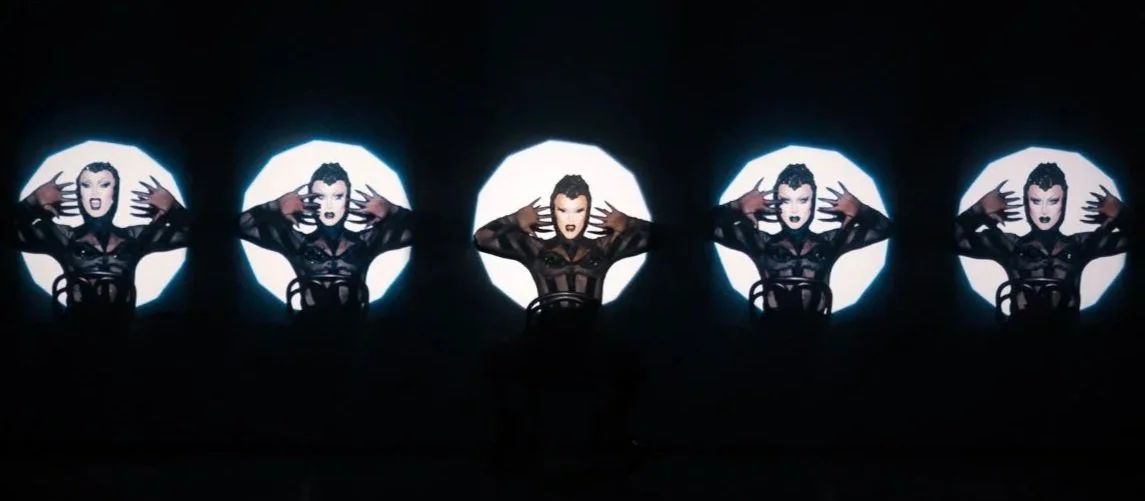
“SPELLBOUND” - Siouxsie & The Banshees
-1980s Gay bar
-A drag pageant/uprising
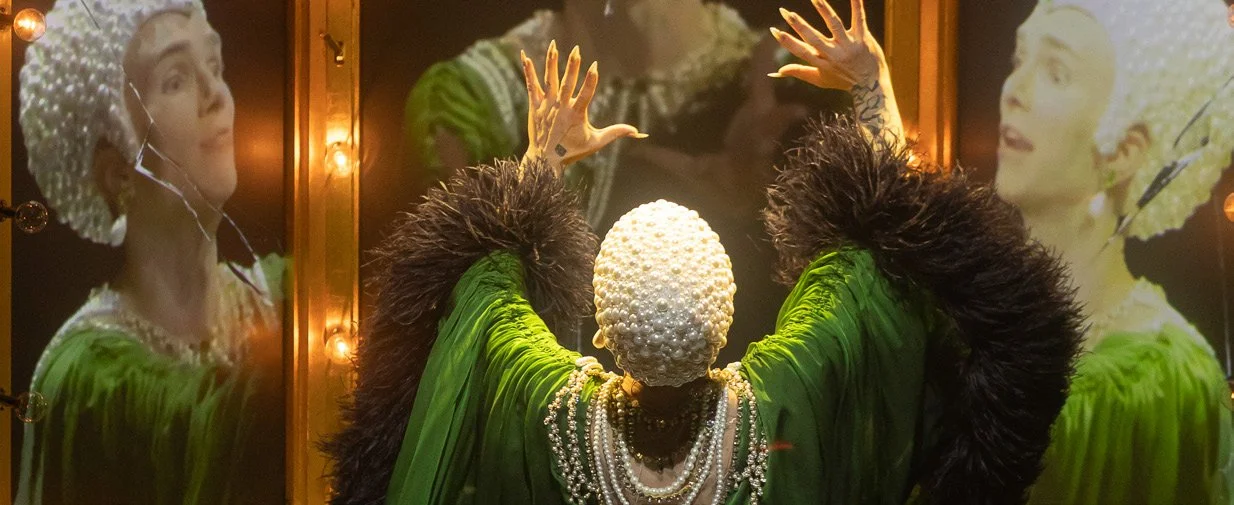
“I AM NOT A WOMAN I’M A GOD” - Halsey
-Present
-A Ghost haunts the ruins
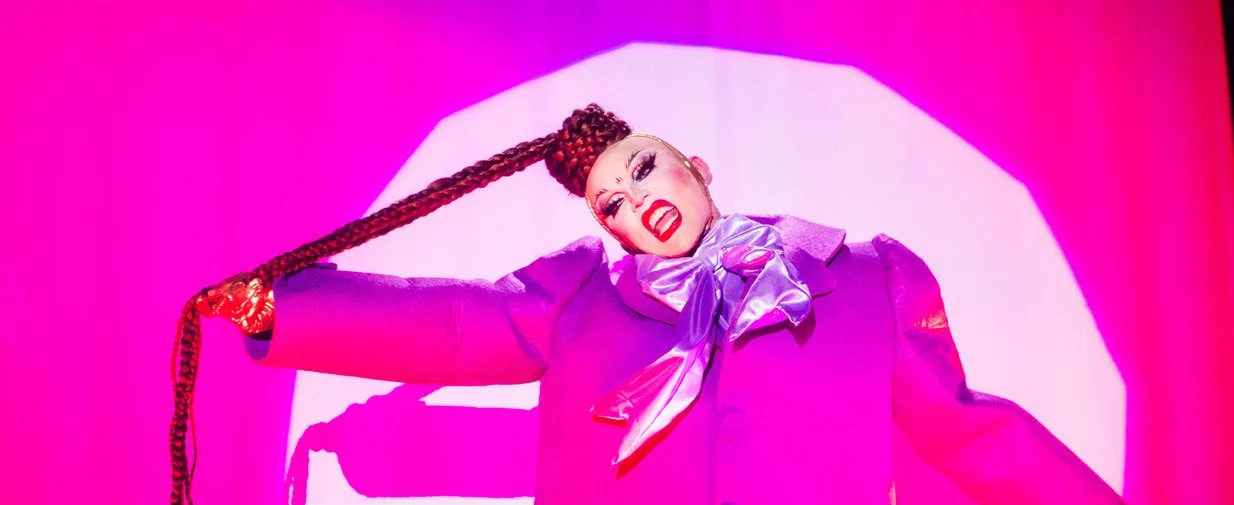
“ALEXANDRA” - Allie X
-1600s church
-A drag jester mocks a saint
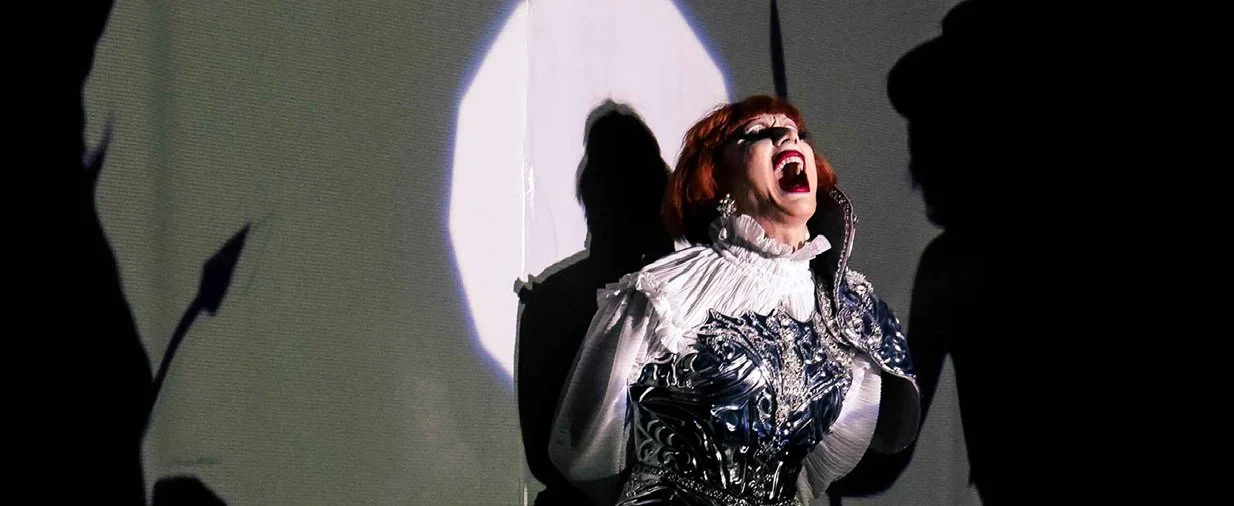
“MODERATION” - Florence & The Machine
-Early 1500’s trial
-Trans Saint
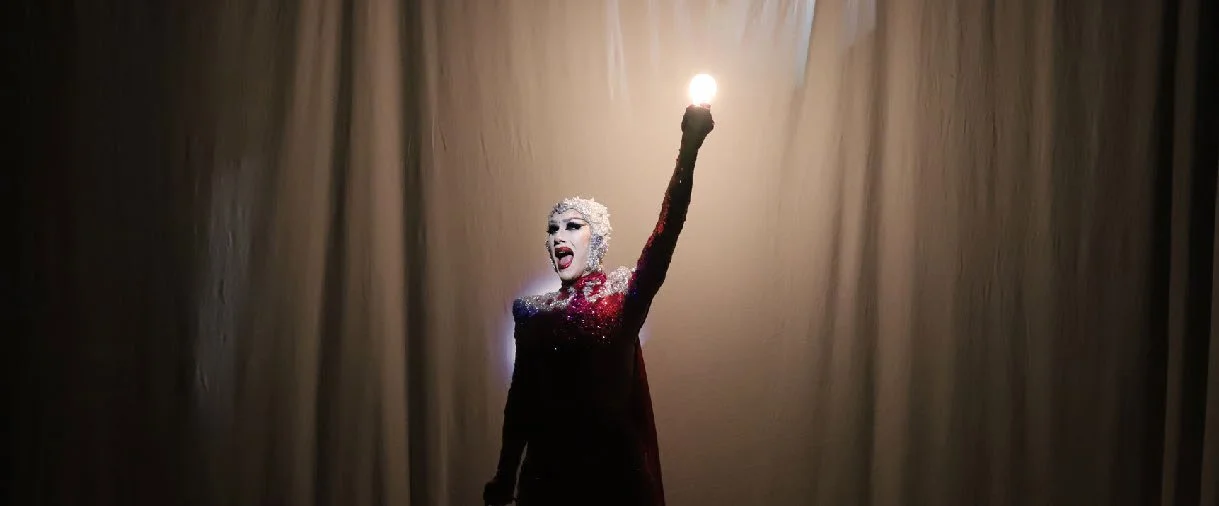
“MOMENTS OF PLEASURE” - Kate Bush
-Present
-A queen decides to make the show
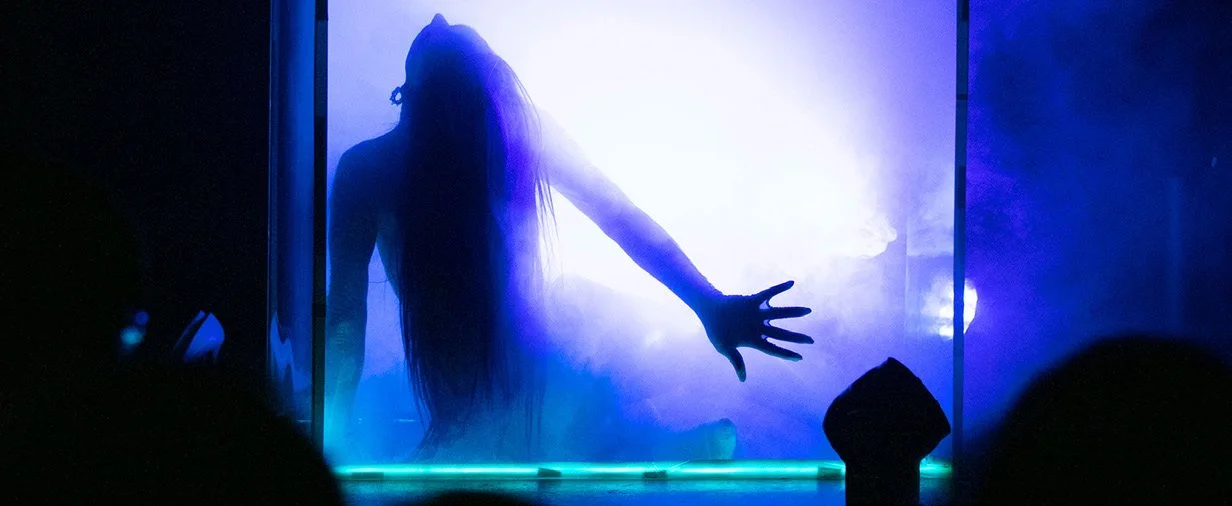
“ISOBEL” - Björk
-400s or earlier
-The ghost’s story, connects across time
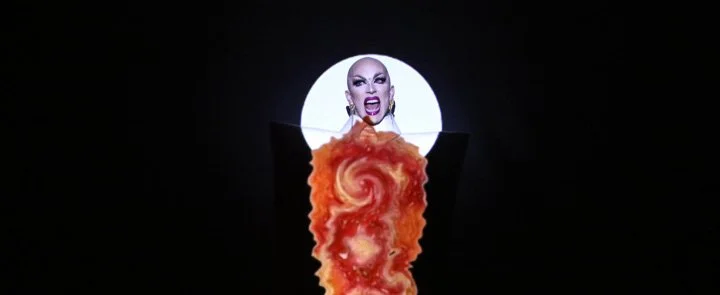
“LOVE SONG FOR A VAMPIRE” - Annie Lennox
-Conclusion
-Rememberance as a radical act
GENERAL TOURING NOTES
Runtime: approximately 75 minutes with NO interval. This show is built for SEATED theaters - not for a standing audience.
The production is to be billed alone, no opening act needed.
The production can travel by bus or plane (but flights must be 1 day before show).
The production features one special guest performer, cast by Sasha Velour. This is not an “opener” slot, they play a set role in the play.
This production is designed to play traditional proscenium theaters where the audience is seated.
Minimum stage width of 25’, minimum depth of 30’, minimum proscenium height of 19’ with a number of fly bars or truss over the stage to hang lights, black masking, etc.
Preliminary technical rider available, finalized rider coming April 2026

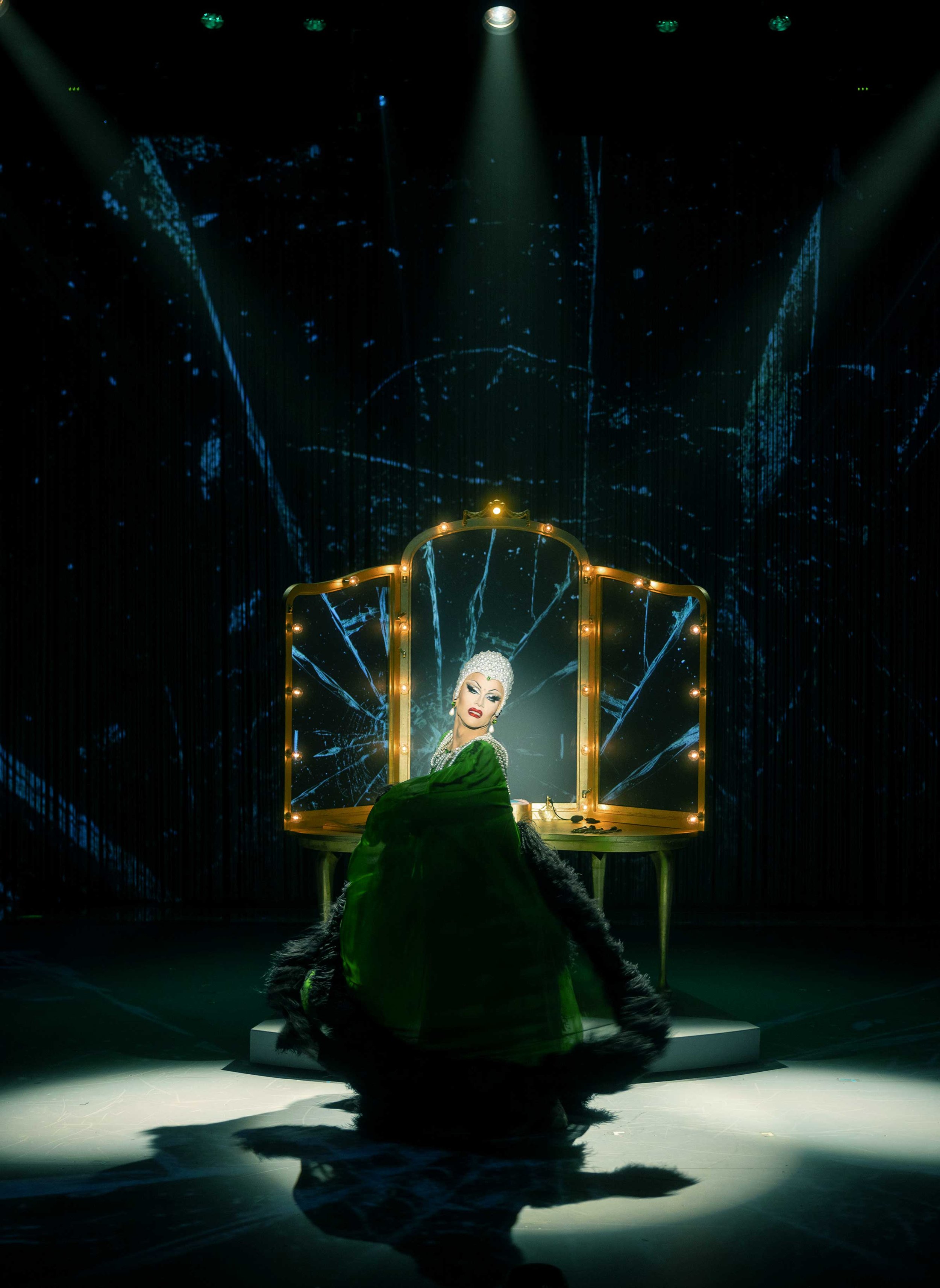
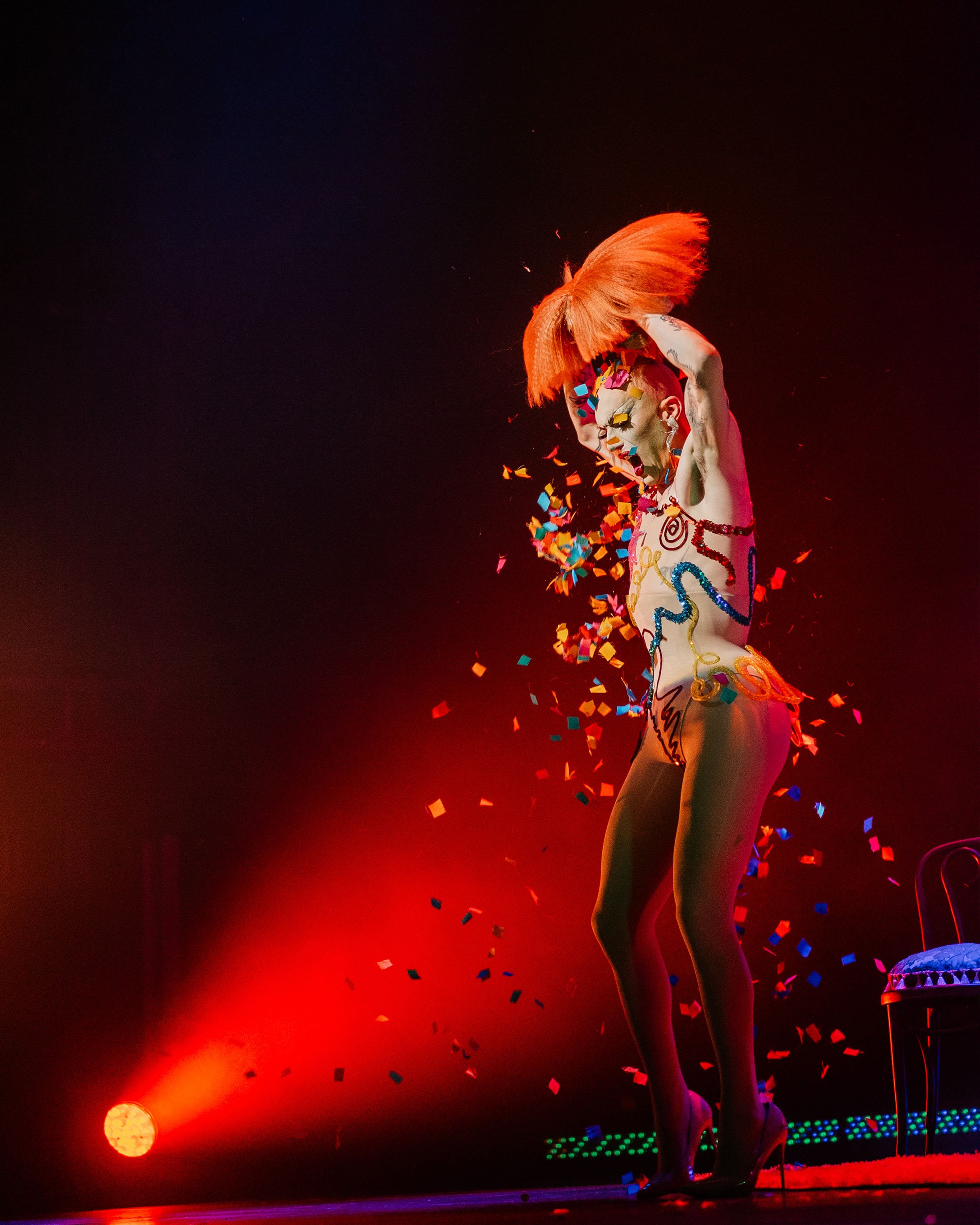




In 2024, I was walking down 42nd street, headed to a workshop for “The Big Reveal,” a book I had written on the art of drag, and was trying to turn into a play. I had terrible writers block—couldn’t figure out how to tie all the different stories together, couldn’t find the hook. But there I was, bundled up in a giant coat—it was February or something—and my eyes wandered to a hideously romanesque terracotta theater facade—half-destroyed, half-obscured in cinema neon: “The AMC Empire.” Something about the way it looked just brought me joy. I love a building in drag.
Turns out the theater was built in 1912 as the “Eltinge,” after Julian Eltinge, the first famous drag queen of the world, and the highest paid star on Broadway in 1910. As it turned out, Eltinge had never performed there—she was at the much more prestigious “Liberty” around the corner—but it was still built in her honor, by her manager, in tribute to his most successful client.
By the 30s, the theater was almost empty and Eltinge was out of work. Like many drag stars of the “Pansy Craze,” the times had changed, and the economic toll of the depression combined with increased conservatism brought a swift end to all the gay parties that had been. That sort of shift in culture has happened many times before, and seems to be happening now.
The theater was sold to a movie theater in the 50s. The new owners chiseled Eltinge’s name off the building and renamed it “The Empire.” In the 90s, the building was moved 100 feet down the block, and combined into one structure with the “Liberty,” the theater Eltinge actually played, which (ironically for its name) was then completely imprisoned inside the block and abandoned, except when it briefly became a gay bar (I saw a Drag Race Pride show there in 2015!). Today, all that’s left of either theater is the one facade.
But the story that facade tells says more about the history of drag than any play I could write. Queer existence isn’t just in our minds, it is written into the architecture of the world around us. Nature, acceptance, commodification, erasure, survival. It’s all there, in our culture, our language, the very spaces we stand in.
I dreamed of a drag show starring all the queer ghosts of a single such space, calling out to the present with a message of resilience and strength.
Queer spaces are spiritual, sacred spaces. The gay bar in my hometown was called C-Street, an unassuing 1920s warehouse, practically underneath the train tracks that divided the two towns of Champaign and Urbana, Illinois. It had been converted to a gay club in the 1970s. There was a stage, chandeliers, mirrors, red leather seats—everything a queen could want. It was the most important stage in the world to me then.
Once a month they hosted an open drag contest…It was the first time I ever tried it. Miss Ceduxxtion Carrington had one rule: “No ballads.” So I did a striptease. Wearing a winter coat and gloves. That memory is sacred to me.
The bar closed down a few years ago. A developer gutted everything but the brick facade. It just sat hollow like that for months. Until one night, in the middle of winter, the whole thing just…crumbled to the ground. I think it just really didn’t want to become condos.
If only I could have one last crawl on that wooden dance floor begging for tips. One last cigarette on the picnic table out the back. One last $3 gin and tonic.
I have a hard time letting go. But that is why we tell stories, To hold on to those moments of magic. And use them to find connection...
The story of “Travesty” is the story of all such places. And the ancestors that have twirled there!
US/Canda: Nicole Borrelli Hearn, nicole@nbharts.com
International: Scott Mantell, scott.mantell@unitedtalent.com
Booking Inquiries